SURVEY FINDINGS
Digital Addiction and Social Media Pressure: How They Affect the Cognitive Development of Teenagers (Ages 15-18)
To gather the experiences of our fellow classmates, we conducted a survey among Grade 11 students in different career paths at the University of Batangas Lipa Campus. The survey responses revealed that digital addiction significantly affects students' daily habits and learning experiences. Among 23 respondents,
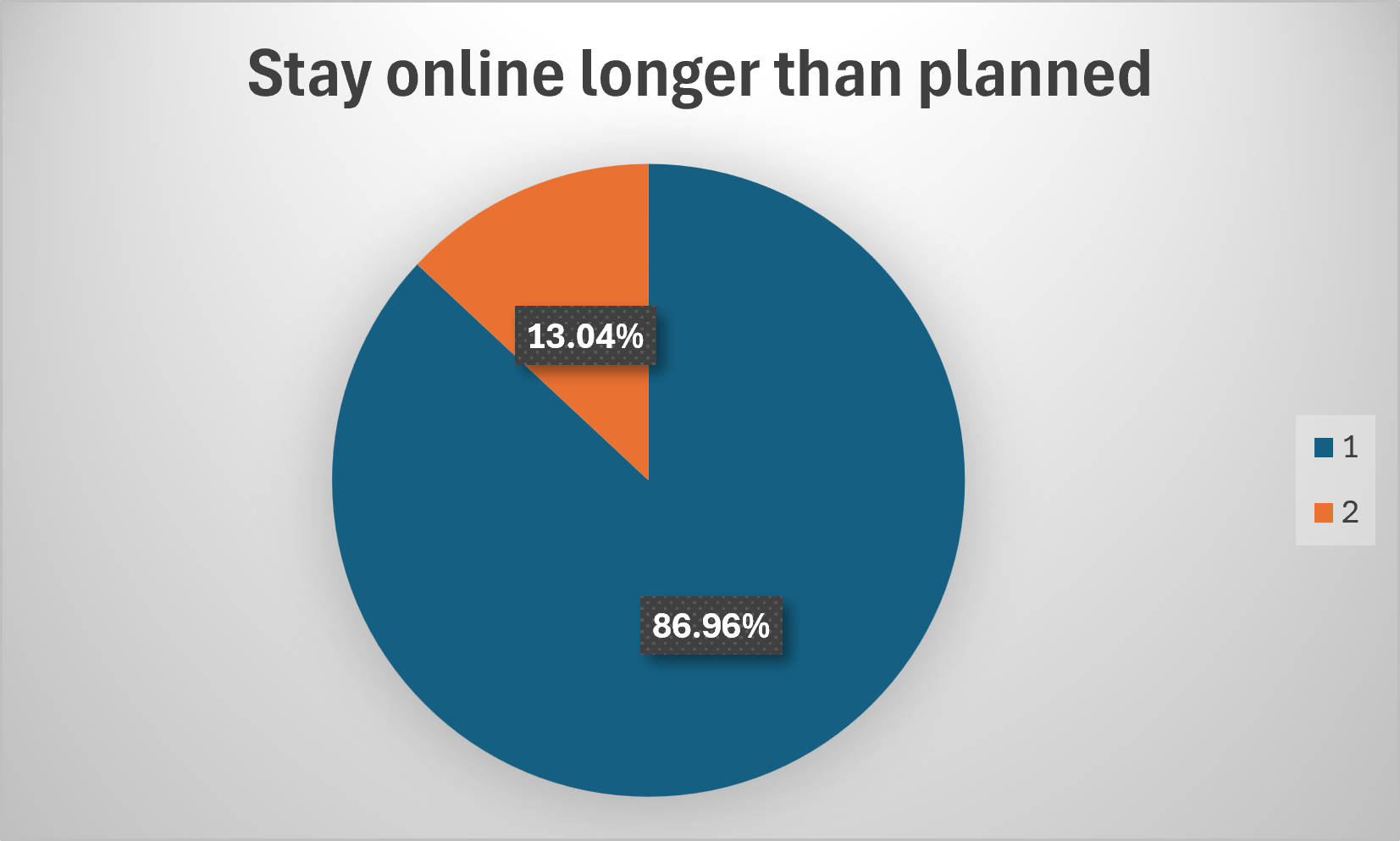 86.96%
admitted that they stay online longer than they originally planned, while
86.96%
admitted that they stay online longer than they originally planned, while
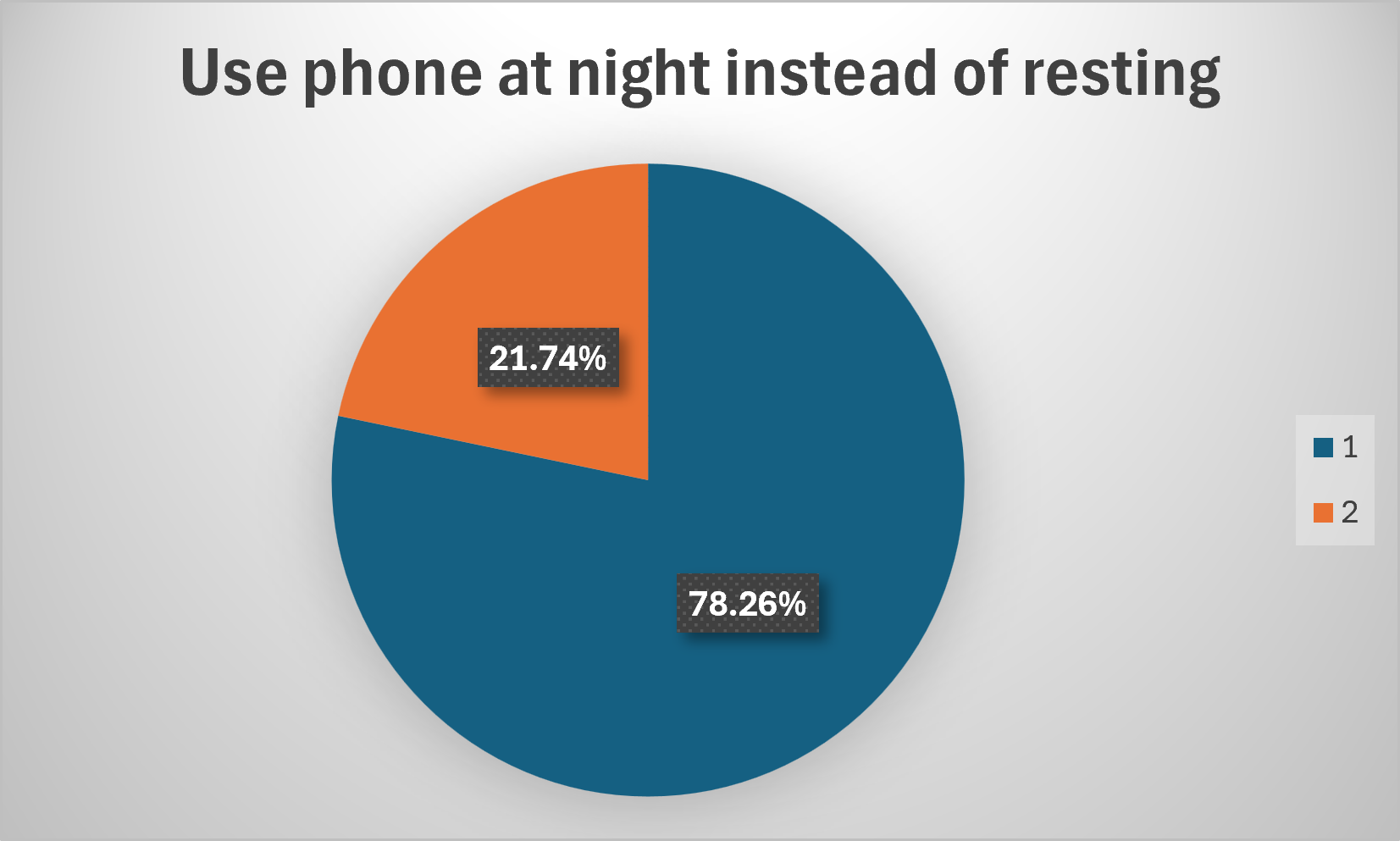 78.26%
reported using their phones at night instead of getting enough rest. Additionally,
78.26%
reported using their phones at night instead of getting enough rest. Additionally,
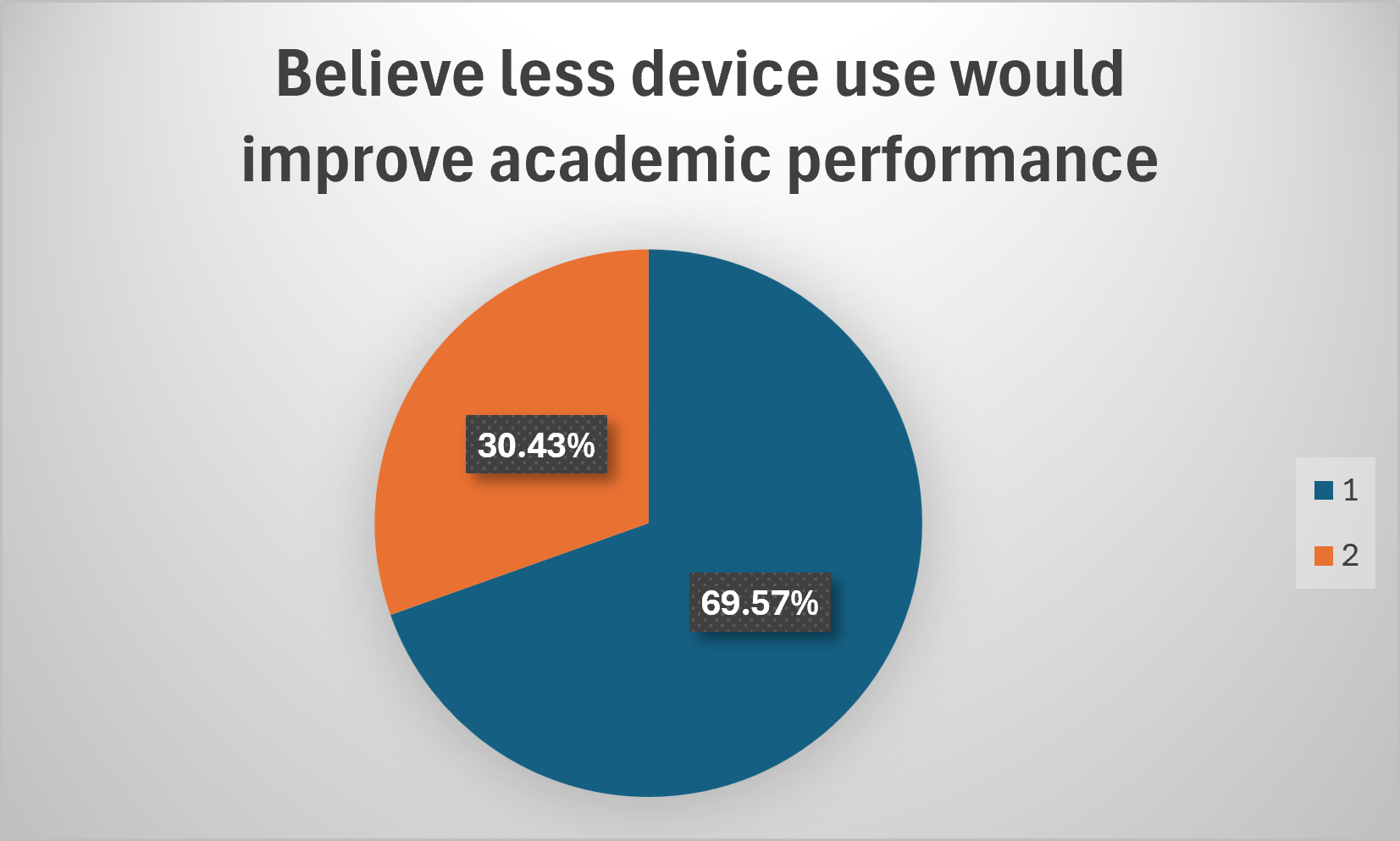 69.57%
believed they would perform better academically if they spent less time on digital devices. More than half also agreed that social media distracts them while studying
69.57%
believed they would perform better academically if they spent less time on digital devices. More than half also agreed that social media distracts them while studying
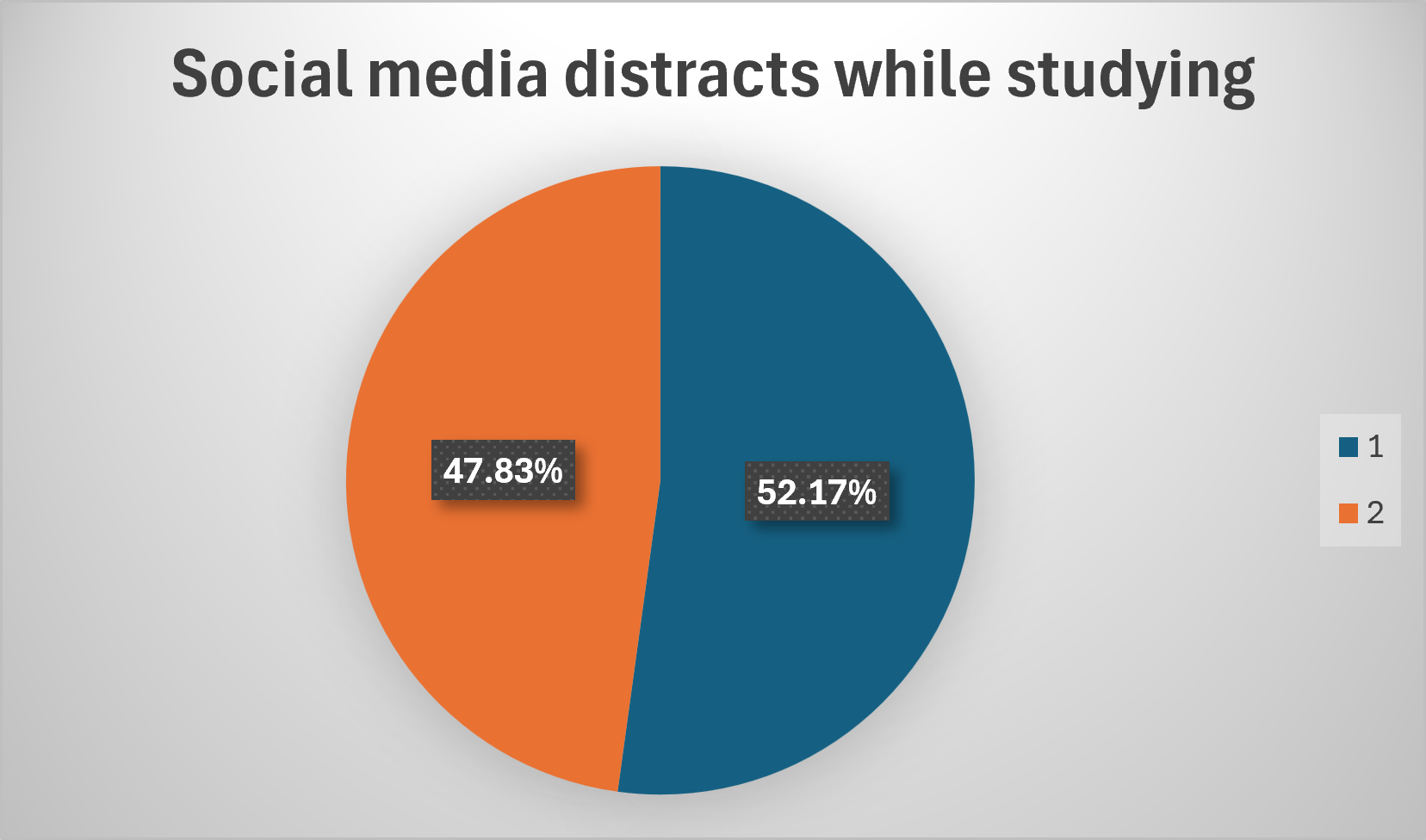 (52.17%),
influences their decisions
(52.17%),
influences their decisions
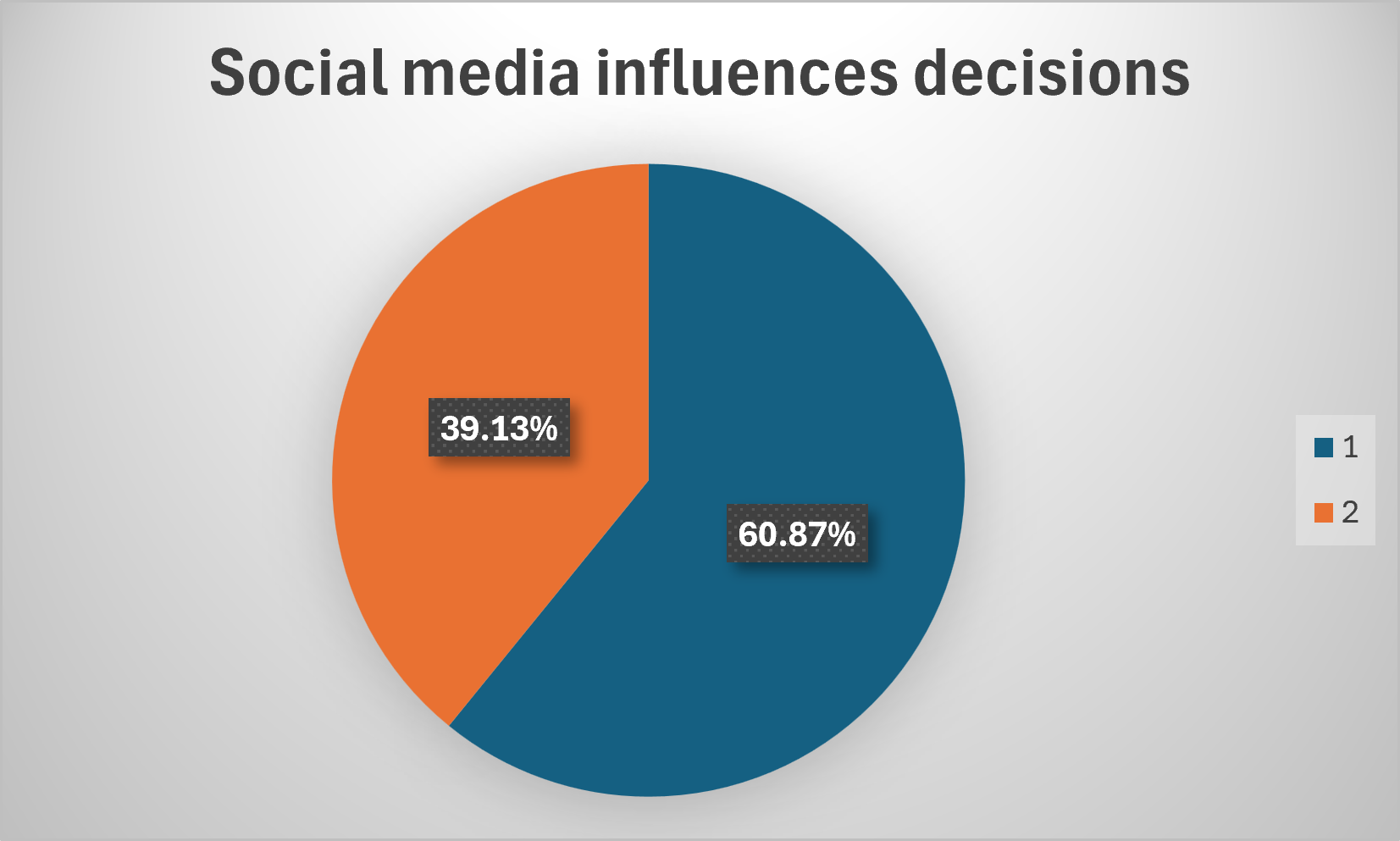 (60.87%),
affects their self-confidence
(60.87%),
affects their self-confidence
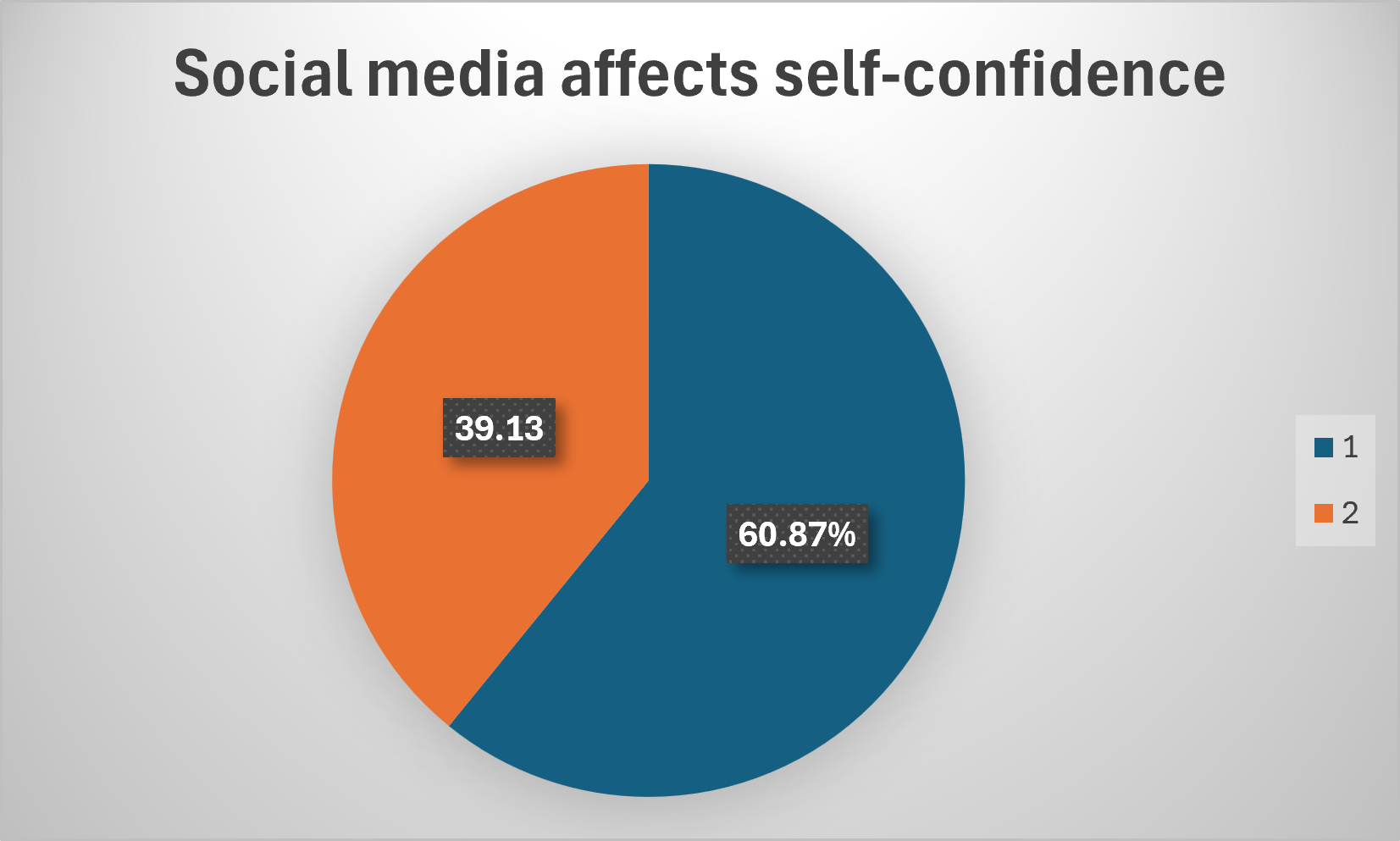 (60.87%),
and causes them to forget what they were doing after checking their phones
(60.87%),
and causes them to forget what they were doing after checking their phones
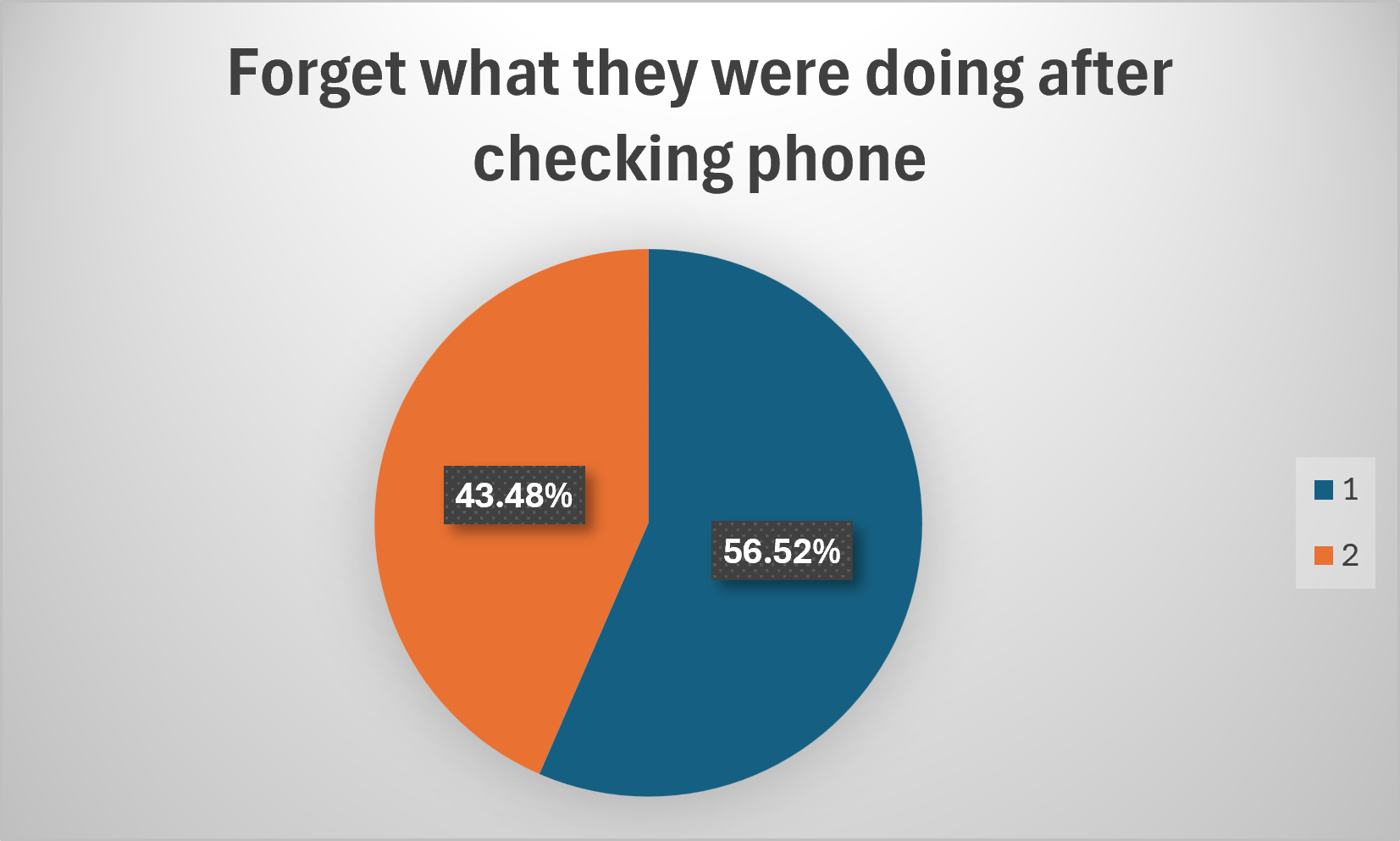 (56.52%).
Furthermore,
(56.52%).
Furthermore,
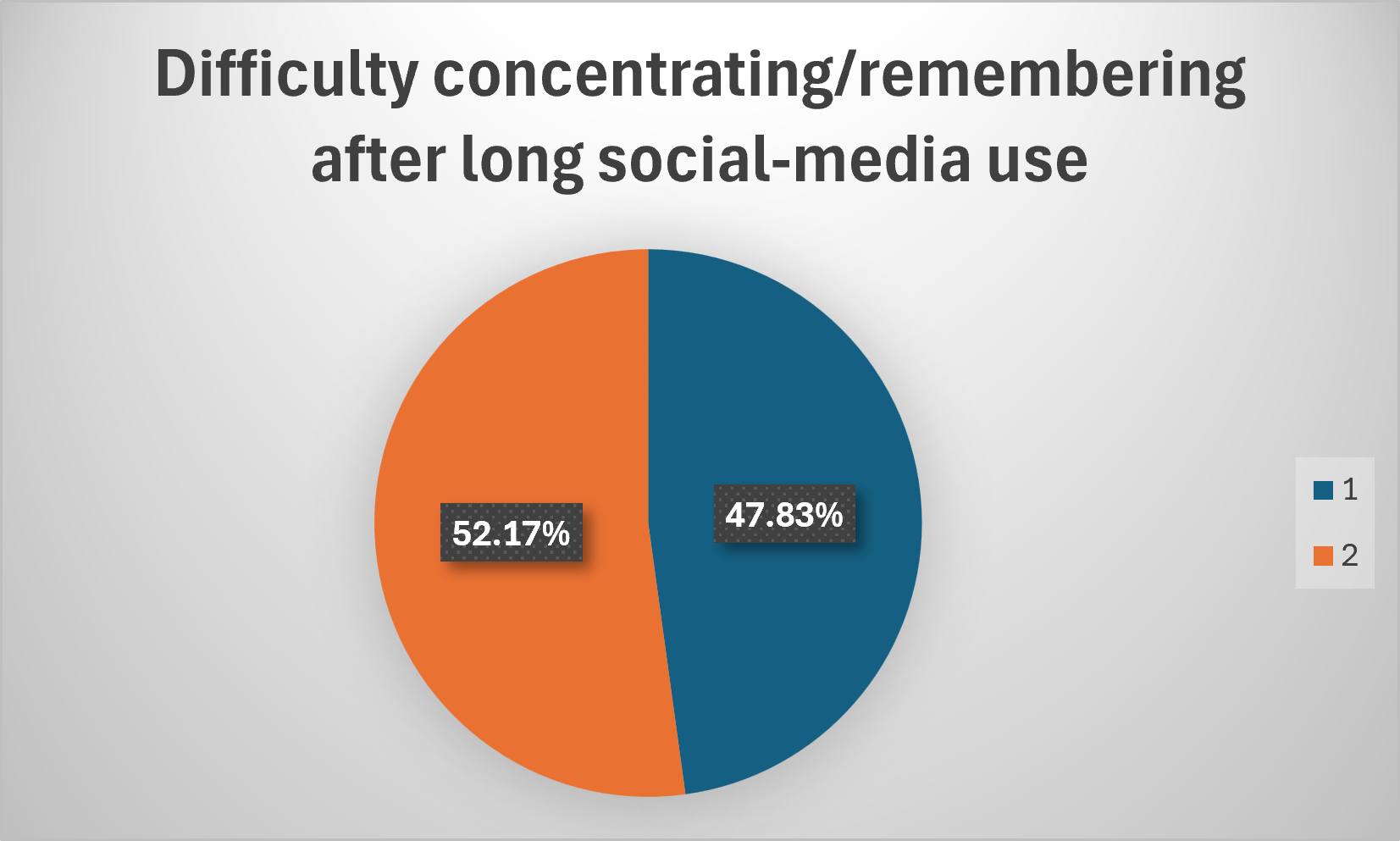 47.83%
experienced difficulty concentrating or remembering information after spending long hours on social media. The estimated average screen time among respondents was approximately 7.2 hours per day, with 7–8 hours being the most common screen time category. Respondents also emphasized that limiting screen time, practicing self-discipline, managing time effectively, and prioritizing schoolwork are important habits that can help reduce the negative effects of digital addiction on learning and cognitive development.
47.83%
experienced difficulty concentrating or remembering information after spending long hours on social media. The estimated average screen time among respondents was approximately 7.2 hours per day, with 7–8 hours being the most common screen time category. Respondents also emphasized that limiting screen time, practicing self-discipline, managing time effectively, and prioritizing schoolwork are important habits that can help reduce the negative effects of digital addiction on learning and cognitive development.